The Ultimate Guide to
High-Impact Corporate Hospitality
STRATEGY & INSIGHT
Why "Hands-On" Beats a Lecture Every Time
Planning a corporate gathering in today’s professional landscape is about far more than just filling a room; it is a strategic exercise in fostering genuine, lasting connections. Whether you are looking to impress high-value stakeholders in a Liverpool boardroom or reward a hardworking internal team across the North West, the era of the "passive observer" event is over.
At Colby Wines, we believe every corporate interaction should deliver a measurable return on your time. This guide explores the sensory science, psychological triggers, and logistical strategies required to turn a standard wine tasting into a remarkable business milestone.
The Organiser’s
60-Second Checklist
GOAL
Define if this is for Client Retention
or Team Morale.
Venue
Boardroom (Convenience)
vs. Private Dining (Luxury).
Flow
Ensure there is a 15-minute ‘Buffer’
for late arrivals.
The Sensory Bridge:
Neuroscience tells us that smell and taste are linked directly to the emotional centre of the brain. By weaving a narrative into the tasting, you create a "memory anchor." Months later, a client might not remember the exact grape variety, but they will remember the story you told—and the company that hosted them while they heard it.

Did You Know?
Because of a direct neurological path, odors are better cues of autobiographical memory than visual cues, meaning a specific scent—like a complex wine—can transport a person back in time more effectively than looking at a photo.
Harvard Medicine Magazine
"Success in a business setting comes from making people feel connected to the experience, not tested on their knowledge."
1. The Psychology of Storytelling
Moving Beyond "Lemons & Pears"
Most traditional wine tastings fail because they get bogged down in technical data—acid levels, soil pH, and repetitive descriptors like "lemons and pears". While these facts matter to a sommelier, they often create a barrier for a corporate audience.
Connection over Testing
Success in a business setting comes from making people feel connected to the experience, not tested on their knowledge. We have found that guests engage far more deeply with the "human element"—the heritage of the land and the story of the producer.
Strategy Note:
When you share the story of a winemaker's resilience on the wind-swept terraces of the Northern Rhône, you aren't just discussing viticulture; you are discussing the universal business values of passion and persistence.
2. The Science of "Healthy" Competition
Breaking Corporate Silos
In many organisations, departments naturally drift into silos. A corporate event is the primary opportunity to cross-pollinate ideas and build rapport between teams that rarely interact.
Collaboration
Teams must talk through sensory perceptions to reach a consensus.
Risk-Taking
Guessing aloud encourages a culture where it is okay to be wrong.
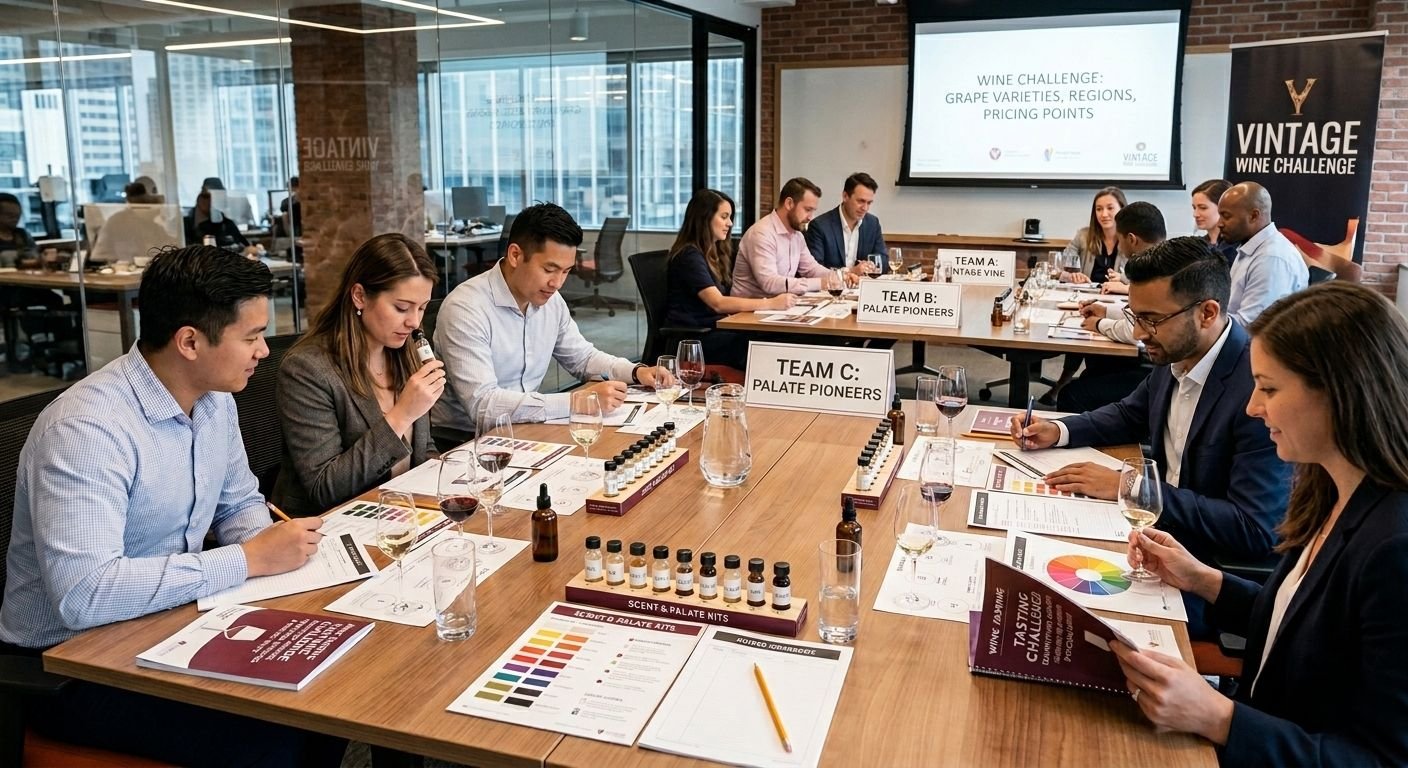
The Blind Tasting Leveler: Activities like our Blind Tasting Challenge use professional sensory kits to level the playing field. When you strip away the label, job titles and hierarchies disappear.
Engagement
Turns a passive drink into an active battle of the palate.
Why it Works for HR: By gamifying the experience, you remove the "cringe" factor of traditional icebreakers. It’s a brilliant way to get different departments collaborating and competing in a relaxed, sophisticated setting.
3. Delivering the "ROI" of Real-World Confidence
A corporate event is truly successful if your guests leave with a new, tangible skill. Wine is a universal language in the business world, yet many professionals find the "wine list moment" at a high-stakes dinner to be a source of quiet anxiety.
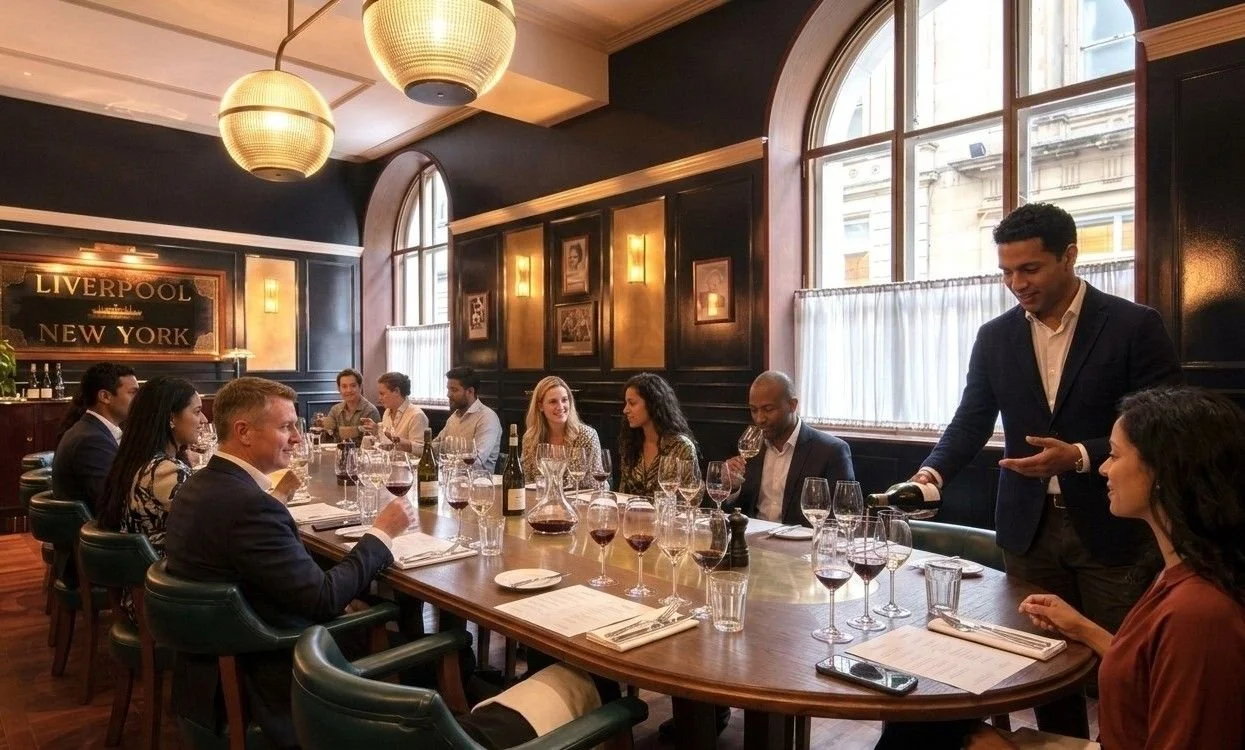
Empowering Your Team
Our goal is to ensure that the next time your staff or clients are handed a restaurant wine list, they feel entirely comfortable making a selection.
1 Navigating Regions: Understanding the difference between a bold Malbec and a structured Bordeaux.
2 Value Finding: How to spot the hidden gems on a list that offer the best price-to-quality ratio.
3 Etiquette: The subtle "dos and don'ts" of business dining.
The Value of the Skill
Client Dinners: Your team can lead the conversastion with confidence
Networking: Wine becomes a sophisticated icebreaker rather than a source of stress.
Retention: Employees feel the company is investing in their personal ‘polish’ and professional presence
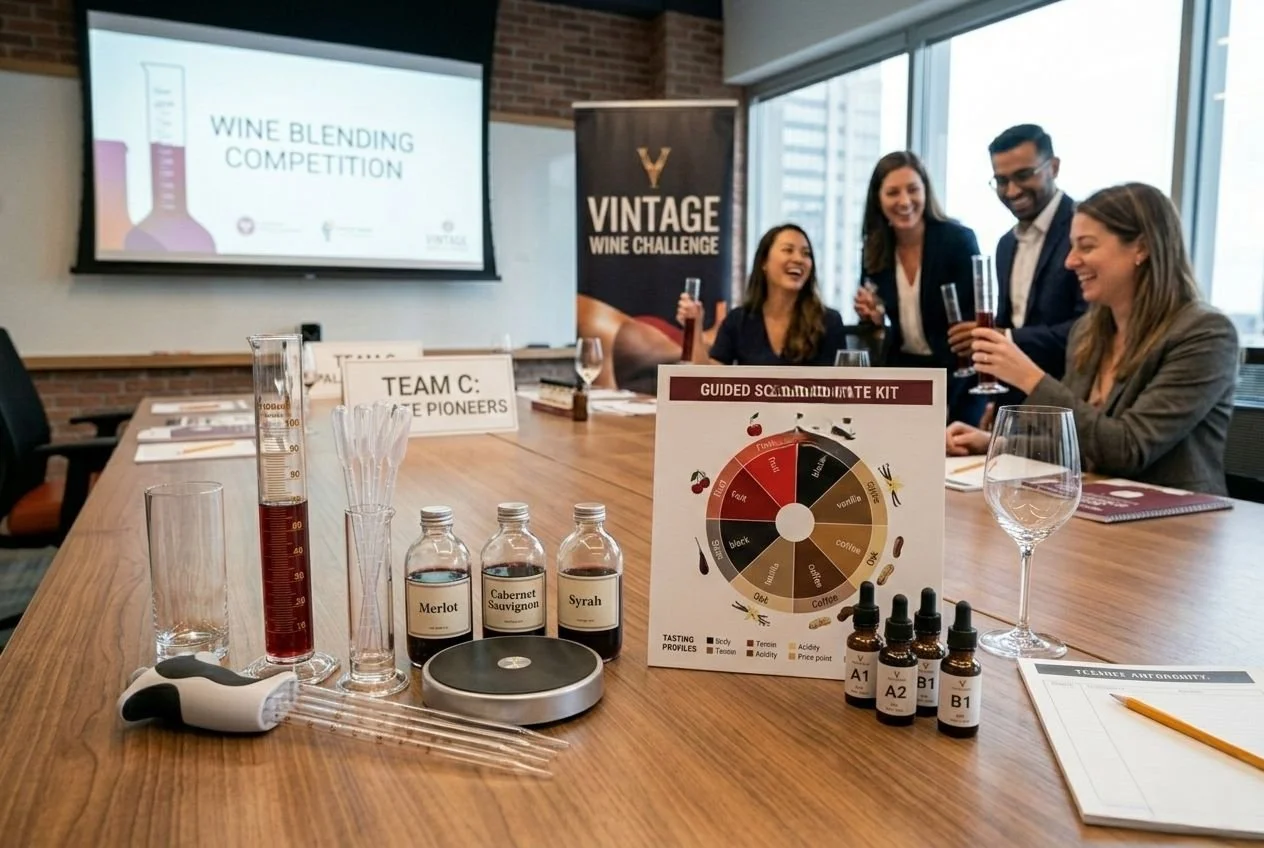
"Team building works best when people have to create something together. Our Wine Blending Challenge mirrors the boardroom—strategy, collaboration, and a bit of flair."
4. The Power of the Blend
Mirroring Boardroom Dynamics
Team building works best when people have to create something tangible together. Our Wine Blending Challenge is a direct mirror of corporate strategy.
The Blending Process
The Leadership Insight
"This exercise highlights leadership roles and communication styles in a tactile way. It requires flair, collaboration, and decisive action—the exact same traits required to produce a winning business strategy."
Case Study: The Merging Firms
The Scenario: Two Liverpool-based law firmsmerged and needed to integrate their departments.
The Solution: Instead of a standard dinner, they opted for the Wine Blending Challenge.
The Result: Teams were forced to create a ‘Signature Blend’ that represented their new unified brand. By the end of the night, the ‘Us’ vs ‘Them’ mentally had dissolved into a shared creative goal.
5. Passion as a Catalyst
The Host's Role
Whether discussing the sun-baked stones of the South of France or the historic estates of Tuscany, passion is infectious. In a world of automated services, a host who is truly invested in the subject matter changes the room's energy.
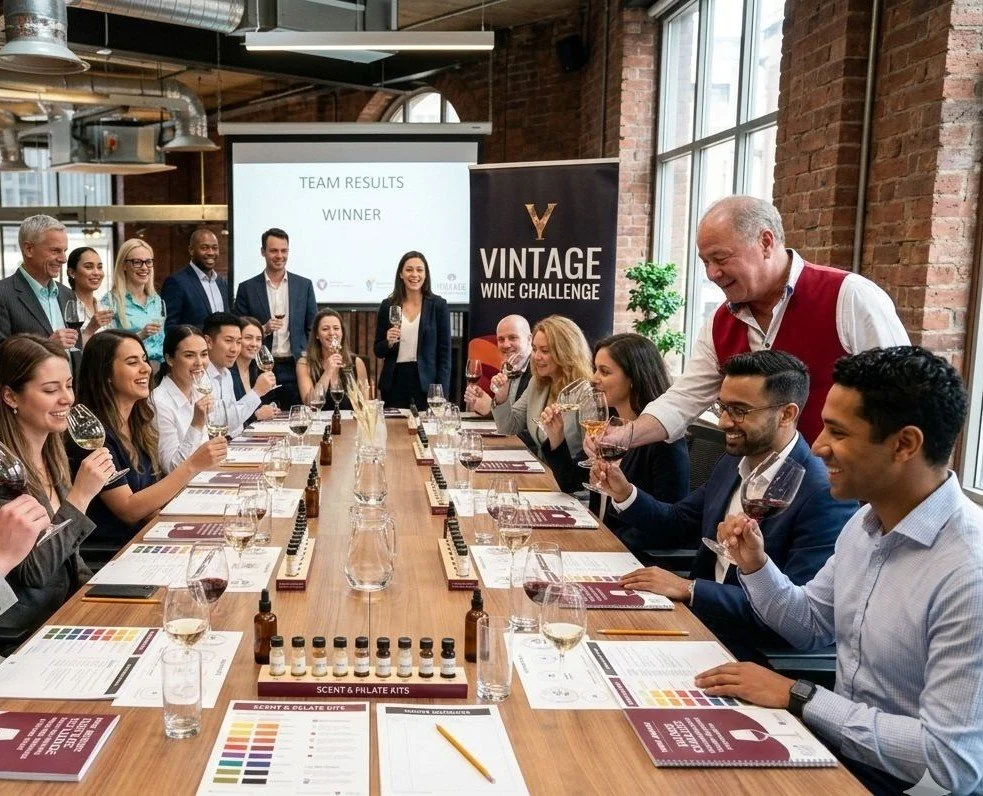
Approachability is Key: While the wine may be "Investment Grade," the atmosphere must remain approachable and fun. A great host makes the most complex vintage feel accessible. When the host is invested, the guests will be too.
6. The Masters Organiser’s Checklist
To ensure your event delivers a strategic return, use this checklist during your planning phase:

Define the ‘North Star’: Is the event about boosting internal morale (Team Engagement) or securing a high-value contract (Executive Flight)
The Power of Pairing: Ensure food is more than an afterthought. We recommend artisan pairings that mirror the wine’s origin - think sun-baked stones of the South of France paired with specific regional cheeses.
Timing is Everything: Mid-week (Tuesday-Thursday) typically sees the highest attendance for corporate events in the North West.
Capture the Moment: Ensure a photographer is present to capture ‘mid-laugh’ moments. These images are gold for your company’s Linkedin and internal newletters, reinforcing a culture of reward and excellence.
7. Conclusion
The Future of the Corporate Social
The recipe for a remarkable event isn’t found in the bottle; it’s foundin the interaction. By focusing on storytelling, healthy competition, real-world skills and passion, you move from a ‘Vendor’ to a ‘Partner’ in your team’s success
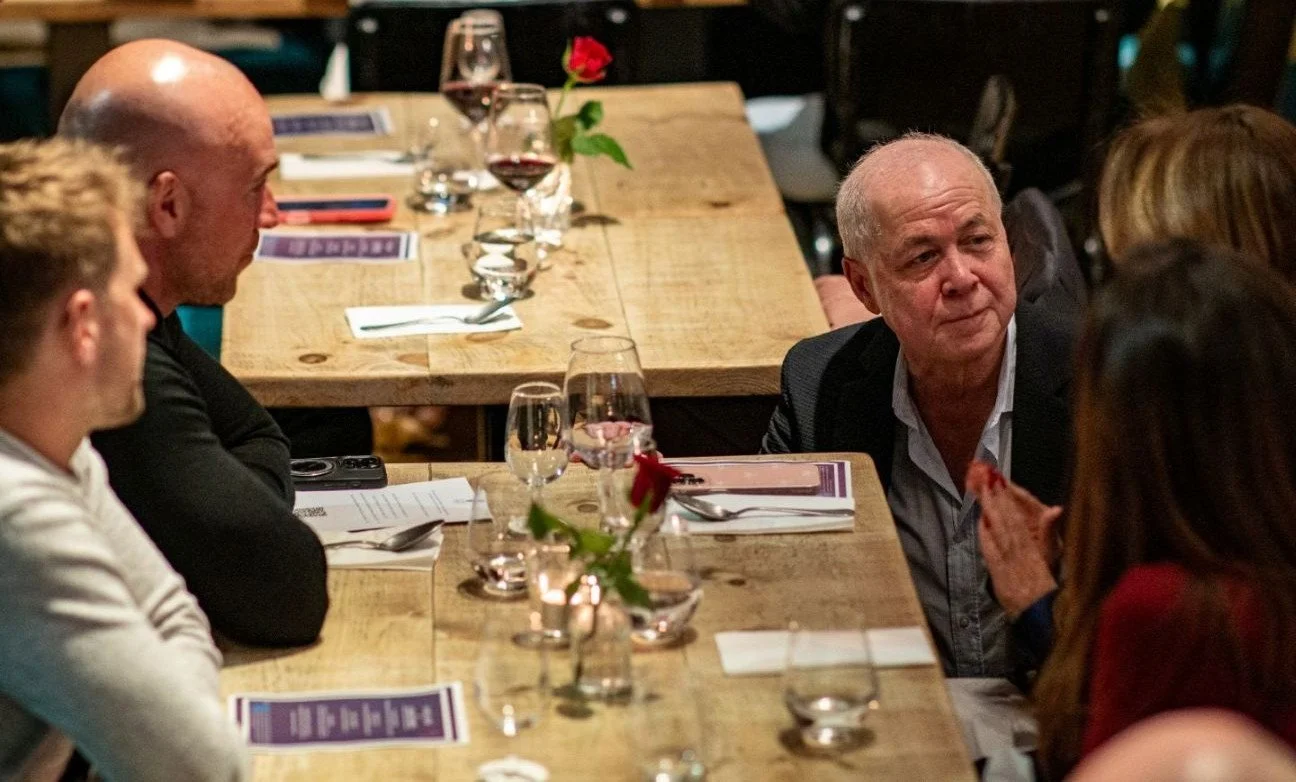
When the host is truly invested, that energy is shared by every guest in the room. Next time you plan a gathering, remember: make it hands-on, make it personal and make it a Colby Wines Experience.
Pricing & Packages
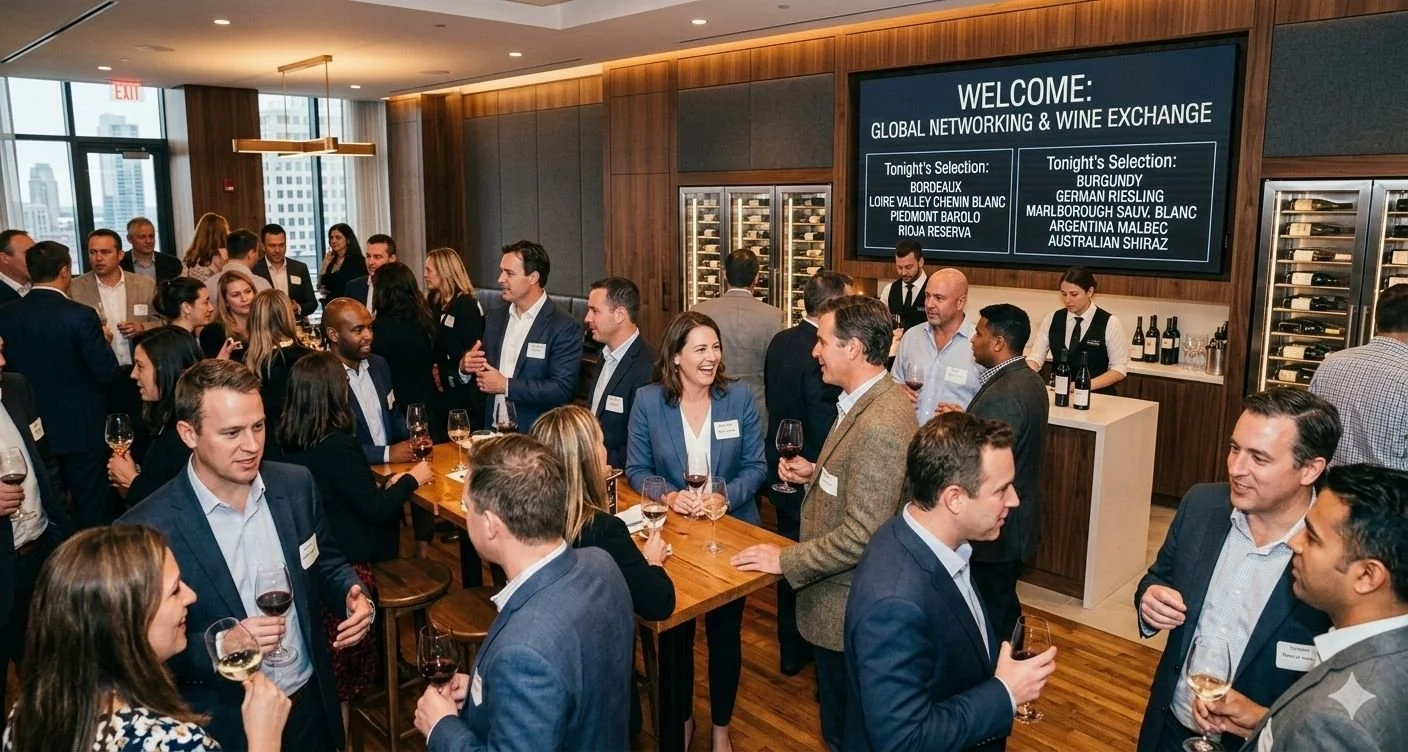
Networking Mixer
Best For:
Large Groups (20-100+)
Est. Price Per Head
£45-£65
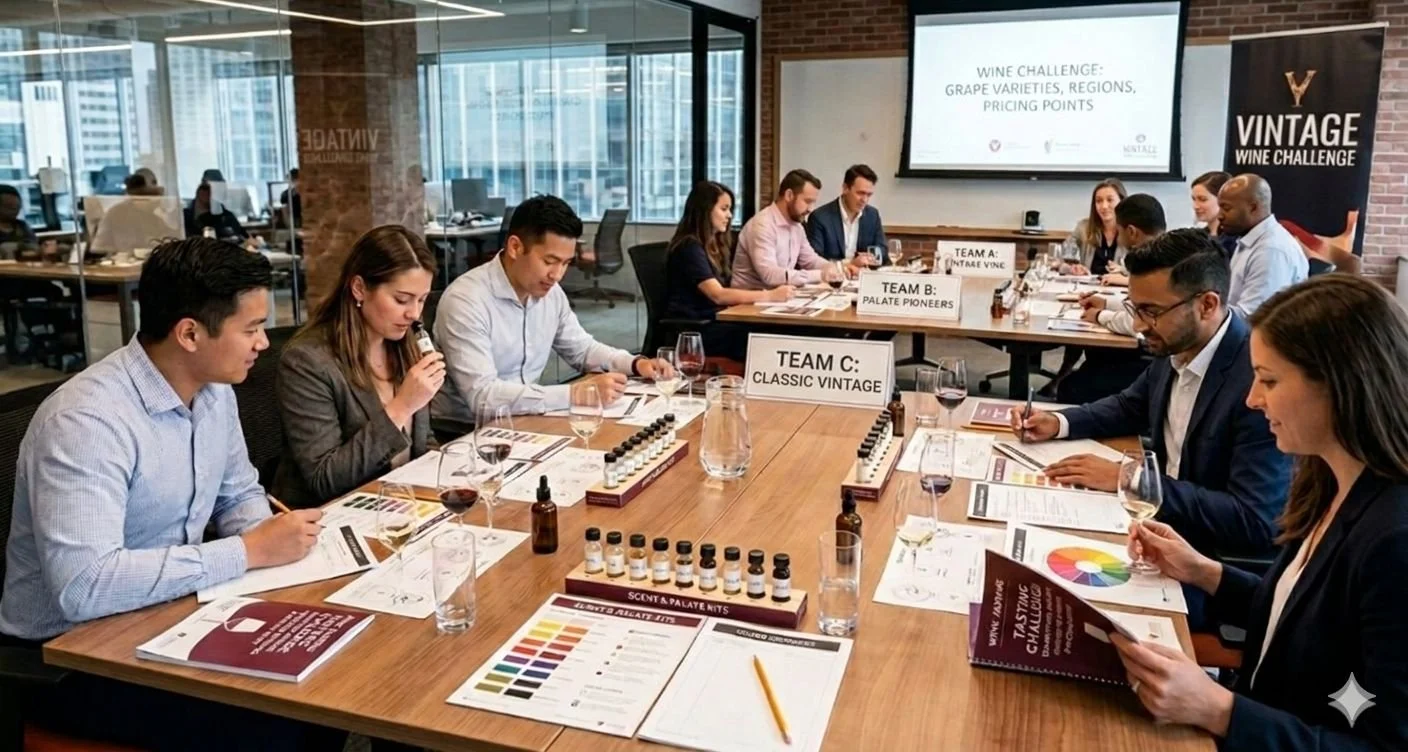
Team Management
Best For:
Internal Teams (10-25)
Est. Price Per Head
£75-£95
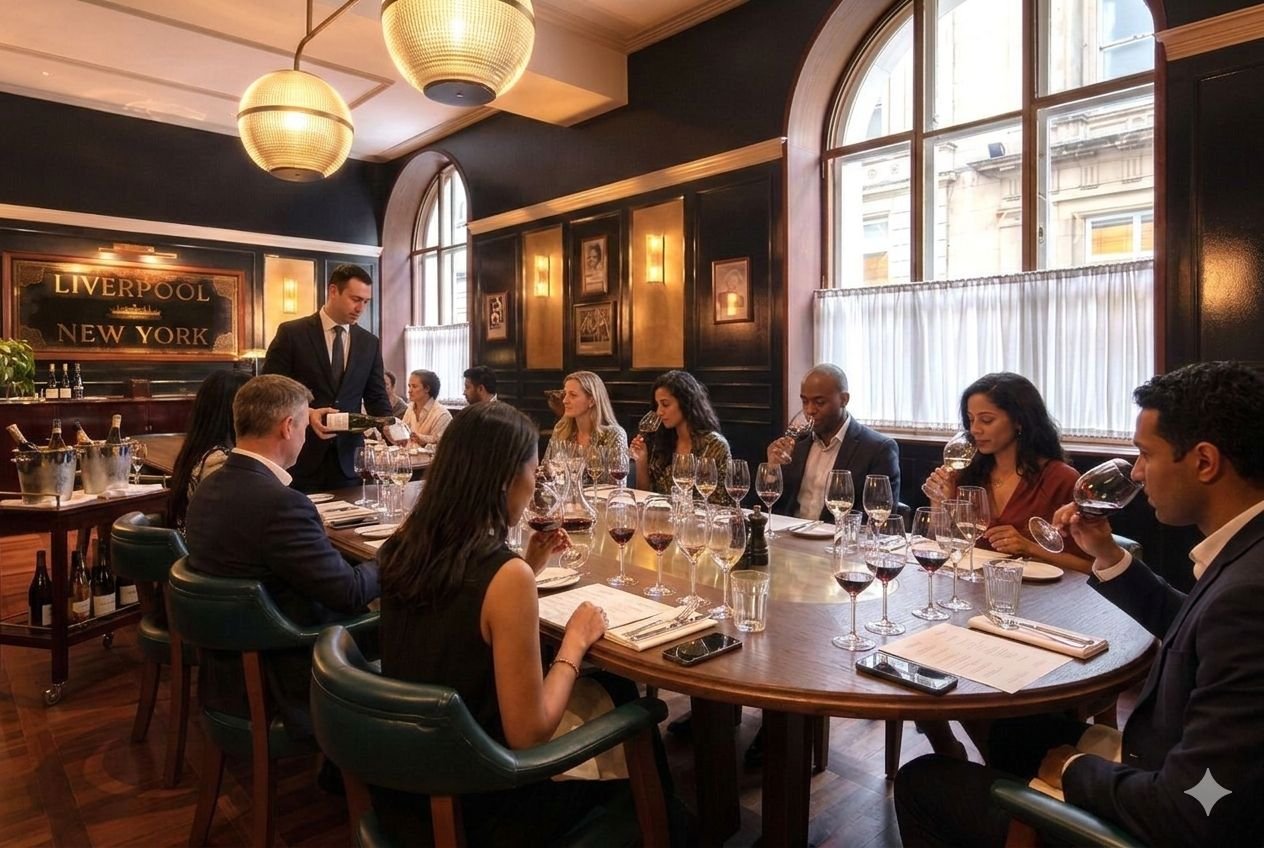
Executive Flight
Best For:
VIP’s & Boardrooms
Est. Price Per Head
£145-£250+
Turn Your Next Meeting Into A Remarkable Business Milestone
Beyond The Event
The Strategy of Corporate Gifting
A remarkable event shouldn’t end when the last glass is cleared. High-Impact corporate gifting is the ‘long tail’ of your hospitality strategy. It serves as a physical reminder of the connection made during the session and reinforces your brand’s committment to quality.
Why Wine Gifting is a Strategic Tool: Generic hampers often feel impersonal. However, a bottle that mirrors the story told during the event - perhaps that ‘Investment Grade’ vintage from Bordeaux - becomes a personal memento. It transforms a gift into a talking point.
The ‘Follow Up’ Gift Tiers:
To help you budget, we suggest three tiers of gifting that ensure your brand remains ‘top of mind’ long after the event.
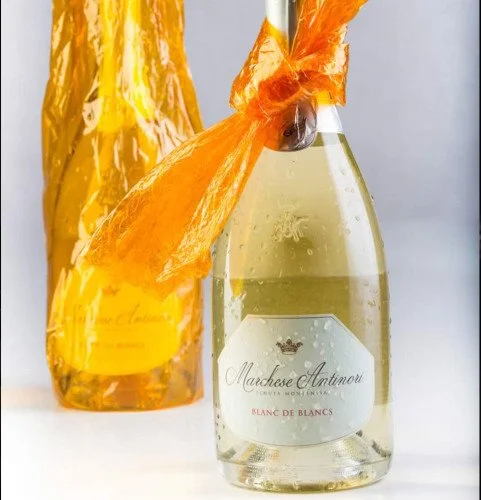
Commemorative Bottle
The ‘Why’ -
A bottle of the ‘Winning Blend’ from the team challenge
Best For -
Internal team morale & milestones
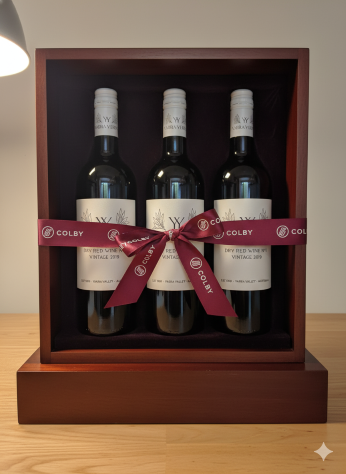
Connoisseur’s Case
The ‘Why’ -
A curated 3-bottle wooden crate with hand-written tasting notes
Best For -
High-Value client retention
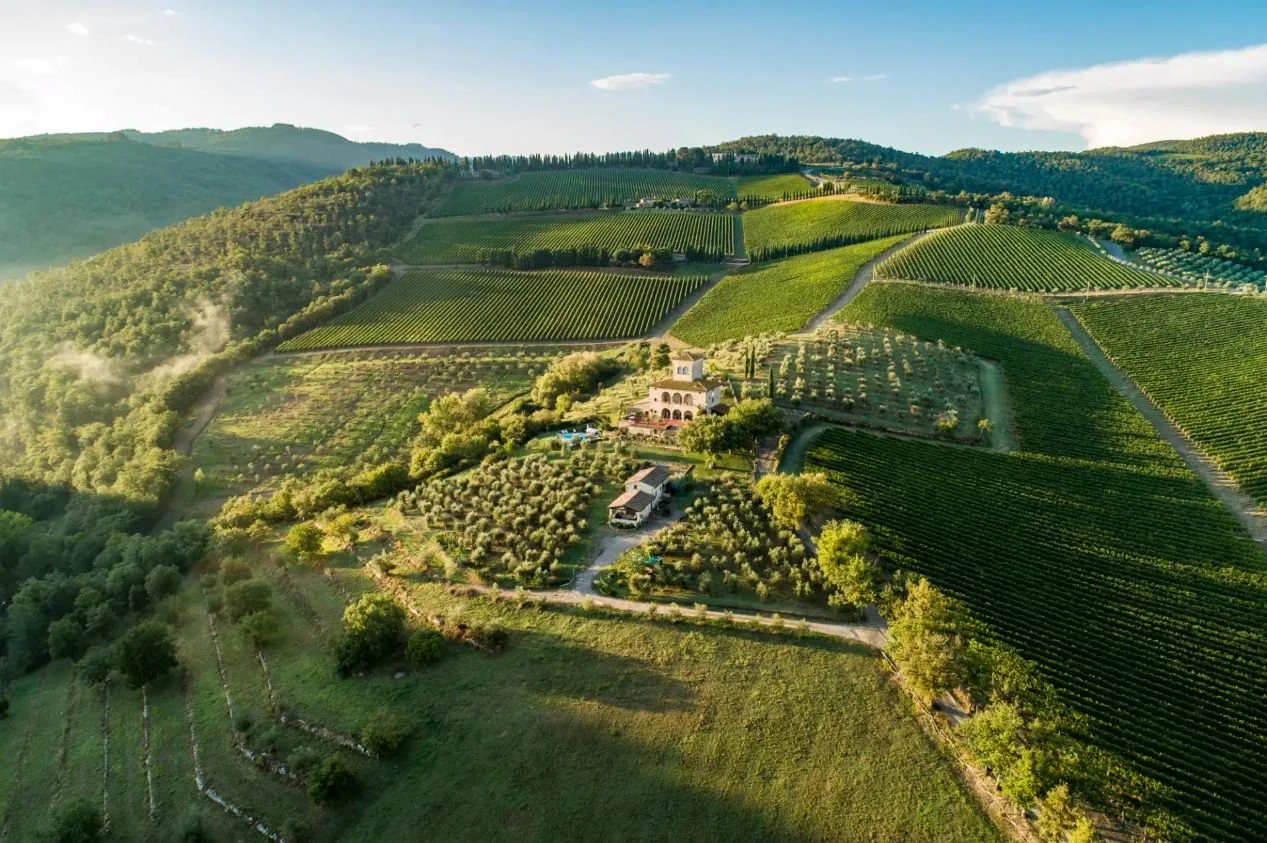
Vineyard Experience
The ‘Why’ -
A voucher for a ‘Vineyard Escape’ or a private home-tasting session
Best For -
Elite incentives & Executive rewards
The Etiquette of Professional Gifting
To enure your gift hits the mark and avoids the ‘junk pile’, follow these three golden of Colby Wines gifting:
Personalisation is Paramount: Include a note referencing a specific momentfrom the event - perhaps a joke made during the Blind Tasting or a shared interest discovered during the mixer.
Quality Over Quantity: One exceptional, hand-picked bottleof heritage wine carries more professional weight than a massive hamper of mediocre snacks.
Timing the Delivery: Sending a gift 48 hours after the event acts as a perfect ‘Thank You’ that arrives just as the initial excitement is settling, extending the life of the experience.
Summary: The Recipe for Long Term Success
By intergrating hands-on events with strategic gifting, you aren’t just ‘throwing a party’. You are building a sophisticated ecosystem of engagement. From the first pour of the Blind Tasting Challenge to the arrival of a commemorative bottle on a client’s desk, every touchpoint should be personal, passionate, and professional.
Your Questions, Answered
-
We bring the vineyard to you. Whether it is a glass-walled boardroom in Liverpool’s commercial district or a casual open-plan space, we manage the full logistics - from professional glassware to the final cleanup. If you would prefer an external location, we also have several partner venues across the North West that we can recommend.
-
Our formats are designed to be scalable. For high-energy team-building sessions like the Blind Tasting Challenge, groups of 6-20 work best to ensure everyone can participate. For larger network mixers or launch parties, we can comfortably cater for over 200 guests using a ‘tasting station’ format that allows for fluid movement.
-
This depends on your chosen format. A structured Team Engagement session usually last around 2 hours, whereas a more formal Executive Flight for clients may take 2 to 3 hours to allow for deeper discussion. For a Network Mixer, we recommend a window of 2 to 4 hours to let guests come and go as they please.
-
We move away from dry, jargon-heavy presentations in favour of high-energy competition. Our Blind Tasting Challenge is a firm favourite for teams; it uses sensory kits and guided prompts to help teams compete in identifying grape varieties and regions. Alternatively, the Wine Blending Challenge allows teams to act as winemakers, creating their own unique blend and ‘pitching’ it to our experts.
-
Our Exective Flight is designed specifically for this purpose. It focuses on ‘Investment Grade’ or rare vintage wines, led by a Wine Director who discusses global market trends and the heritage of the estates. This is a sophisticated, seated experience paired with luxury artisan food to leave a lasting impression of quality.
-
Our approach is designed to be inclusive and unintimidating. We focus on the captivating stories behind the labels - providing a ‘backstage pass’ to the world of wine - rather than complex technical data. This ensures that a complete novice feels just as engaged and valued as a seasoned collector.
-
Absolutely! We believe the event should feel like an extension of your brand. We can include your corporate identity on the printed tasting brochures, digitale presentations, and even tailor the wine selection to reflect your company’s values or the theme of the campaign.
-
Yes, we have access to a portfolio of over 1,600 wines, ranging from high-quality ‘hidden gems’ to world-renowned icons. We work closely with you to curate a selection that fits your budget without compromising on the quality of the experience.
-
We believe that food is essential to the tasting journey. Every experience includes meticulously selected pairings, ranging from elegant charcuterie and artisan cheeses to full chef-prepared menus. We manage the gastronomy aspect entirely to ensure the flavours perfectly complement the wines being served.
-
We take dietery needs very seriously; please let us know in advance, and we will provide bespoke pairings for those with allergies or preferences.
-
Collaborative, honest, and straightforward. We're here to guide the process, bring ideas to the table, and keep things moving.
-
We offer flexible pricing based on project type and complexity. After an initial conversation, we’ll provide a transparent quote with no hidden costs.